Electronics Recycling Services: Reliable Disposal Services for Offices
Sustainable Solutions: How E-Waste Recycling Services Are Saving Our Planet
E-waste represents a considerable hazard to the environment, as abandoned electronic devices commonly carry harmful materials. These hazardous substances can contaminate soil and water, leading to broader ecological damage. E-waste recycling initiatives provide a practical answer. They not only recover valuable resources but also mitigate pollution. Understanding how these services operate and their impact on communities is essential. The path to successful electronic waste management prompts vital discussions about personal accountability and communal efforts. What measures can be pursued from this point onward?
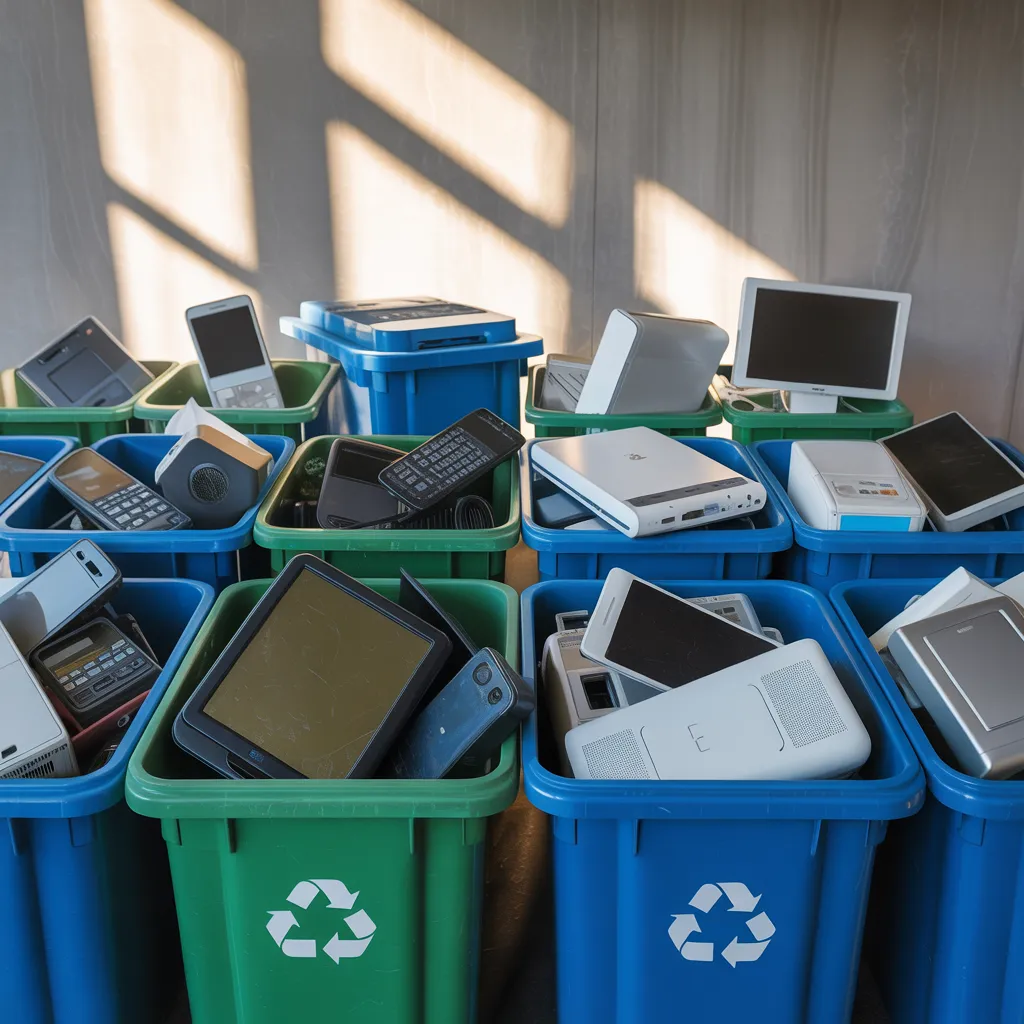
The Reasons E-Waste Is Damaging to the Planet
Even though technological advancements improve contemporary living, e-waste poses significant environmental threats. Discarded electronic devices, often containing hazardous materials such as lead, mercury, and cadmium, may release harmful substances into soil and groundwater, posing risks to both wildlife and human well-being. The rapid pace of technological advancement contributes to increased consumer turnover of electronics, worsening the buildup of e-waste.
Landfills, already strained by waste, are unable to keep up with the rising quantities of abandoned electronics. Burning, an alternative disposal approach, discharges toxic contaminants into the air, worsening overall air quality. Furthermore, inadequate recycling methods can result in the shipment of electronic waste to underdeveloped nations, where workers may break down equipment without proper protective measures, putting themselves at risk of exposure to hazardous materials. This cycle of neglect and improper handling underscores the urgent need for sustainable recycling solutions that can mitigate the adverse effects of e-waste on the planet.
What Is E-Waste and Why Is It Important?
Electronic waste, commonly known as e-waste, includes unwanted electronic equipment including smartphones, computers, and televisions that have reached the end of their useful life. This growing category of waste is significant owing to its accelerating volume, fueled by innovation in technology and shifting consumer habits. As more devices become obsolete, the ecological consequences become more pronounced, with dangerous elements including lead, mercury, and cadmium presenting serious hazards to the environment and human well-being.
Addressing e-waste is crucial not only for reducing these dangers but also for acknowledging the precious materials found within it. Valuable metals and rare earth materials can be extracted and repurposed, lessening the demand for mining and preserving natural resources. Through a deeper awareness of e-waste and its consequences, both individuals and organizations can make well-informed choices regarding disposal and recycling, thereby supporting a more sustainable future. Proper management of e-waste is essential for fostering a circular economy and promoting environmental stewardship.
How the E-Waste Recycling Process Works
E-waste recycling entails an organized procedure aimed at reclaiming useful resources while minimizing environmental impact. Initially, discarded electronics are retrieved and sent to dedicated processing centers. Upon arrival, the devices undergo thorough sorting to separate hazardous components from recyclable materials.
After this step, specialists dismantle the devices, separating glass, metals, and plastics. This phase is essential, as it enables the retrieval of rare metals like silver, gold, and copper, which may be utilized in new electronic devices.
Next, the sorted materials are treated with advanced techniques, such as shredding and chemical treatments, to prepare them for further use.
Ultimately, the remaining dangerous materials are managed properly, complying with environmental regulations. This systematic method not only saves important resources but also mitigates the risks connected to improper e-waste disposal, ensuring a more sustainable future for electronic device usage.
How E-Waste Recycling Benefits You and Your Community
Although it often goes unnoticed, the positive effects of e-waste recycling go far beyond individual benefit and actively shape entire communities. By carefully processing electronic waste, individuals help foster a healthier environment, reducing hazardous materials that can contaminate soil and water. This proactive approach actively safeguards local ecosystems and promotes public health.
In addition, e-waste recycling fosters job creation within communities. Local recycling facilities often require personnel for diverse activities, spanning collection through processing, thus generating valuable job opportunities for community members. This not only stimulates the local economy but also inspires community dedication to sustainable efforts.
Moreover, knowledge about e-waste recycling can lead to community outreach programs, enabling residents to pursue greener alternatives. By enrolling in e-waste recycling programs, individuals nurture a culture of sustainability, encouraging others to do the same. Overall, the cumulative impact of these actions can create a more sustainable and conscientious community.
A Guide to Selecting an E-Waste Recycling Service
Picking the most suitable electronic waste recycling provider is essential for guaranteeing that electronic refuse is processed with responsibility and sustainability. To begin, individuals should check the provider's certifications, such as R2 and e-Stewards certifications, which demonstrate adherence to industry standards for responsible recycling methods. It is equally important to examine the organization's credibility by reading customer reviews and looking for advice from dependable sources.
Next, transparency in the recycling process is vital. A reliable service should provide clear information about the way e-waste is handled and how the materials are utilized. Furthermore, evaluating the range of services offered can be beneficial; various firms may supply retrieval services or extend benefits for recycling.
Furthermore, familiarizing yourself with local guidelines related to e-waste disposal can additionally influence the evaluation process. By taking these elements into account, people are able to support effective e-waste management alongside encouraging eco-friendly habits.
Ways You Can Participate in E-Waste Recycling?
Engaging in e-waste recycling often starts at the local level, where community recycling hubs often provide essential services for responsible disposal. Furthermore, participating in community awareness campaigns can enhance efforts to educate others about the importance of ethical e-waste practices. These initiatives not only advance environmental sustainability but also cultivate a collective sense of responsibility toward the environment.
Community Recycling Locations
A wide range of neighborhood recycling stations perform an important function in the recycling of e-waste, giving communities practical solutions to handle electronic waste in a responsible manner. These hubs welcome a variety Browse all of digital devices, including outdated computers, mobile phones, and TVs, guaranteeing that dangerous substances are processed safely. Most stations have trained staff who can guide individuals on proper disposal methods, emphasizing the importance of recycling over landfilling. Additionally, various hubs coordinate scheduled drop-off occasions or specific collection dates, making participation convenient for residents. By taking advantage of these neighborhood resources, people help build a circular economy, decreasing environmental damage and advancing sustainable approaches. Engaging with these centers enables communities to combat e-waste pollution successfully.
Public Awareness Initiatives
Community groups, educational institutions, and companies can collaborate to host events that promote e-waste collection drives. Volunteers can play a pivotal role in raising awareness, sharing informational resources, and connecting with local residents. Through these collective efforts, residents become more informed and motivated to recycle their electronic waste, thereby helping to build a greener and more sustainable tomorrow.
Frequently Asked Questions
What Electronic Devices Are Eligible for Recycling?
A wide range of electronics can be recycled, including smartphones, computers, laptops, televisions, printers, and gaming consoles. Moreover, ancillary devices such as keyboards, mice, and batteries are well-suited for recycling, contributing to efforts to conserve the environment.
Are There Fees Involved With E-Waste Recycling?
Yes, electronic waste recycling may involve fees, subject to the provider. Some facilities impose charges for gathering or treatment, while others make services available at no charge, typically funded by the resale of recovered materials.
How Do Businesses Gain From E-Waste Recycling?
Businesses can benefit from e-waste recycling by reducing disposal costs, enhancing their environmental image, adhering to regulatory requirements, recovering valuable materials, and possibly earning income through resale, thereby fostering a more environmentally responsible business approach.
What Becomes of Data on Recycled Devices?
Information regarding refurbished electronics is commonly irretrievably wiped or eliminated throughout the recycling process. This confirms sensitive information stays protected, blocking unwanted intrusion while enabling materials to be repurposed safely and responsibly within new applications.
Are Broken Electronics Eligible for Recycling?
Absolutely, broken electronics can be recycled. Numerous recycling centers take in non-functioning devices, ensuring safe disposal and extraction of valuable materials. Doing so helps reduce the environmental footprint while promoting sustainable recycling habits to handle electrical waste efficiently.